
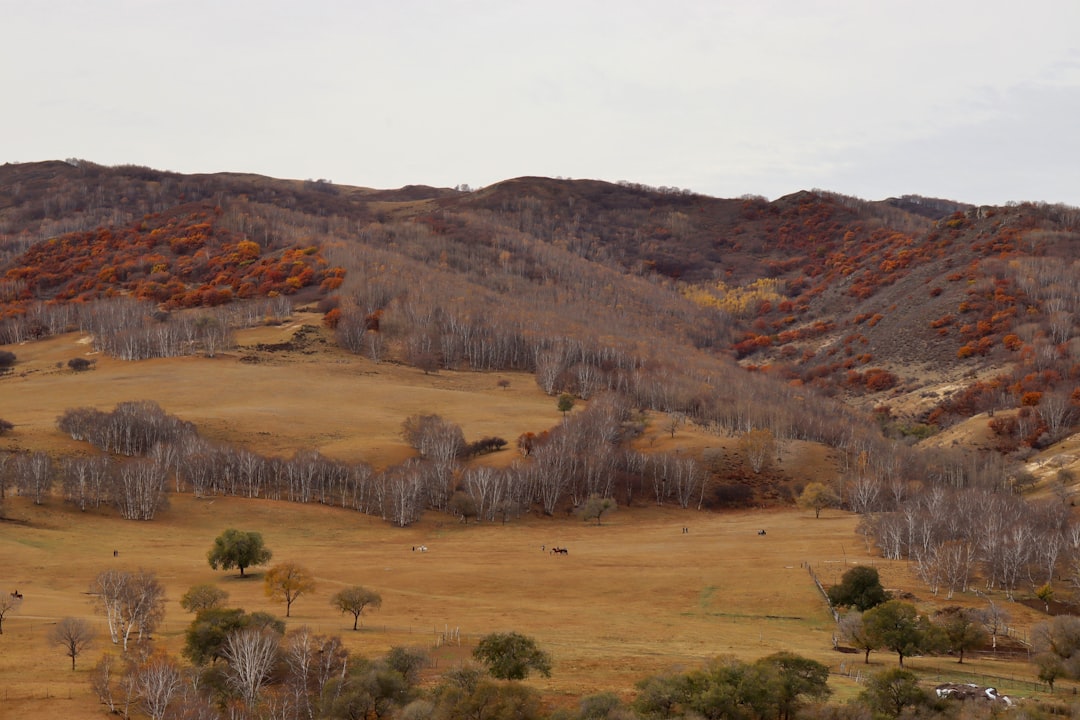
In a world where travel can often feel like a luxury reserved for the wealthy, the great outdoors offers a refreshing alternative. Nature is not only free but also provides a plethora of experiences that can be enjoyed without breaking the bank. Whether you’re an avid hiker, a casual camper, or someone looking to explore the beauty of your local parks, this guide will help you navigate the world of outdoor travel on a budget.
First, let’s talk about the essentials of outdoor travel. The key to enjoying nature without overspending is planning. Start by identifying your interests. Are you drawn to hiking, camping, or perhaps kayaking? Knowing what you want to do will help you focus your research and budget.
Next, consider your destination. National parks, state parks, and local nature reserves often have low or no entrance fees. Research parks in your area or those within a reasonable driving distance. Websites like the National Park Service or local tourism boards can provide valuable information about free or low-cost attractions.
Once you have your destination, it’s time to think about accommodations. Camping is one of the most budget-friendly options available. If you don’t own camping gear, consider borrowing from friends or renting from local outdoor shops. Many parks offer campsites at a fraction of the cost of hotels. If camping isn’t your style, look for budget-friendly hostels or cabins that provide a unique experience without the hefty price tag.
Food is another area where you can save money. Instead of dining out, plan to prepare your own meals. Pack a cooler with easy-to-make meals and snacks. Think sandwiches, fruits, and trail mix for hiking days. If you’re camping, a portable stove or grill can make cooking a breeze. Not only will this save you money, but it also allows you to enjoy meals in the great outdoors.
Now, let’s dive into some practical tips for making the most of your outdoor adventure. First, invest in a good pair of hiking boots. They don’t have to be expensive, but comfort and durability are key. Second, always check the weather before you go. This will help you pack appropriately and avoid any unpleasant surprises. Third, consider joining local outdoor groups or clubs. They often organize group hikes or camping trips, which can be a great way to meet new people and share costs.
As you embark on your outdoor journey, remember to leave no trace. This means respecting nature by cleaning up after yourself and minimizing your impact on the environment. Not only is this eco-friendly, but it also ensures that these beautiful places remain pristine for future generations.
Finally, document your adventures! Take photos, keep a journal, or start a blog. Sharing your experiences can inspire others to explore the outdoors and can also serve as a personal reminder of your journey.
Step-by-step plan:
Step 1: Identify your interests and preferred outdoor activities.
Step 2: Research budget-friendly destinations and accommodations.
Step 3: Plan meals and pack your own food to save money.
Step 4: Join local outdoor groups for shared experiences and costs.
In conclusion, outdoor travel doesn’t have to be expensive. With a little planning and creativity, you can explore the beauty of nature without straining your wallet. So grab your gear, gather your friends or family, and hit the trails. The great outdoors is waiting for you!