
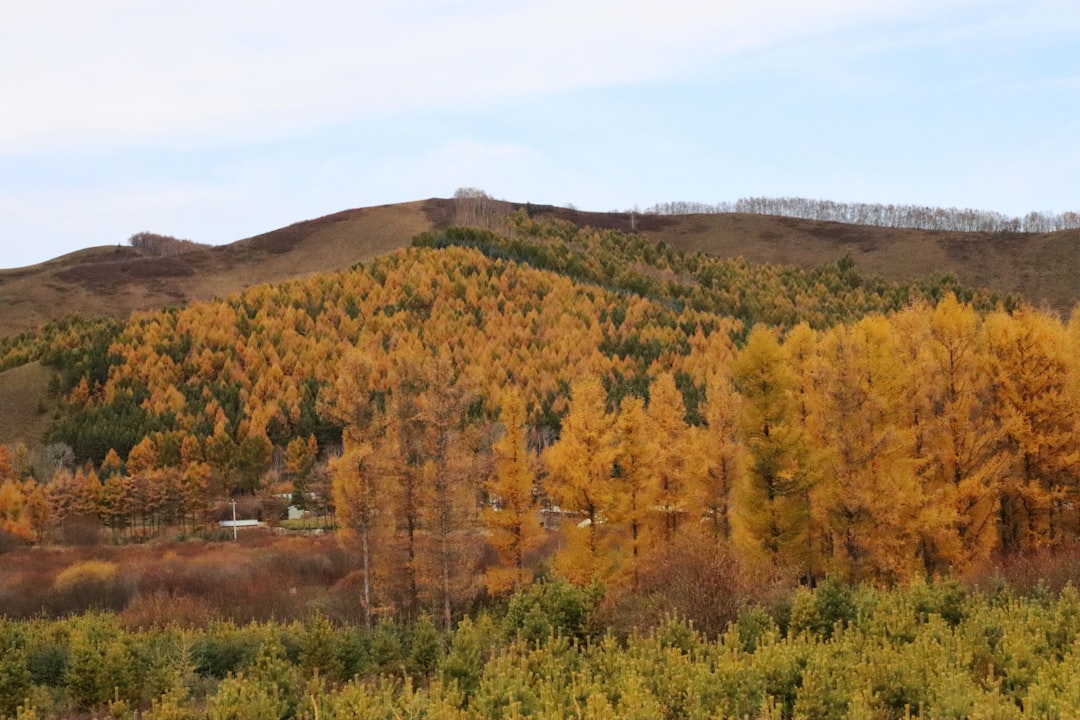
In recent years, the outdoor and travel industry has witnessed a significant transformation, driven by a growing awareness of environmental issues and a desire for more authentic experiences. As travelers become increasingly conscious of their impact on the planet, eco-friendly travel has surged in popularity. According to a recent survey by Booking.com, 72% of global travelers indicated that they would be more likely to choose a destination based on its sustainability efforts. This statistic underscores a pivotal shift in consumer behavior, where eco-consciousness is no longer a niche concern but a mainstream expectation.
Key Insight: The increasing demand for sustainable travel options suggests that businesses in the travel sector must adapt to meet the expectations of environmentally aware consumers.
Budget-friendly travel is another trend gaining traction. With the economic uncertainties brought about by the pandemic, many travelers are seeking ways to explore the outdoors without breaking the bank. Camping, hiking, and road trips have become popular alternatives to expensive vacations. The American Camp Association reported a 20% increase in camping participation in 2021 compared to pre-pandemic levels, highlighting a shift towards more affordable and accessible outdoor experiences.
DIY travel planning has also seen a rise, as travelers look to customize their adventures while saving money. Online platforms and mobile apps have made it easier than ever to plan trips independently, allowing travelers to find budget accommodations, local attractions, and unique experiences that traditional travel agencies may overlook. This trend not only empowers travelers but also supports local economies, as more people seek out small businesses and local guides.
Moreover, the trend of ‘slow travel’ is gaining momentum, encouraging travelers to immerse themselves in their surroundings rather than rushing through a checklist of attractions. This approach promotes a deeper connection with nature and local cultures, aligning perfectly with the eco-friendly ethos. A report from the Adventure Travel Trade Association revealed that 61% of adventure travelers prefer experiences that allow them to engage with local communities and environments, further emphasizing the importance of sustainable practices.
As we look towards the future of outdoor travel, several key trends are emerging. First, the integration of technology in outdoor experiences is becoming more prevalent. From apps that help identify local flora and fauna to virtual reality experiences that allow travelers to preview destinations, technology is enhancing the way we explore the outdoors. The global outdoor recreation market is projected to reach $887 billion by 2025, driven in part by technological advancements that make outdoor activities more accessible and enjoyable.
Additionally, the rise of wellness tourism is influencing outdoor travel. Many travelers are seeking experiences that promote mental and physical well-being, such as yoga retreats in nature, hiking excursions, and mindfulness workshops. The Global Wellness Institute reported that wellness tourism is expected to grow to $919 billion by 2022, indicating a strong demand for travel experiences that prioritize health and well-being.
In conclusion, the outdoor and travel industry is evolving rapidly, shaped by the desires of a new generation of travelers who prioritize sustainability, affordability, and meaningful experiences. As businesses adapt to these trends, they must remain agile and responsive to the changing landscape of consumer preferences. By embracing eco-friendly practices, promoting budget-friendly options, and leveraging technology, the travel industry can thrive in this new era of outdoor exploration. The future of travel is not just about visiting new places; it’s about creating lasting connections with the environment and the communities we encounter along the way.
 TECHEF - AGNI Portable Butane Gas Stove Burner, Camp Stove, Made in Korea